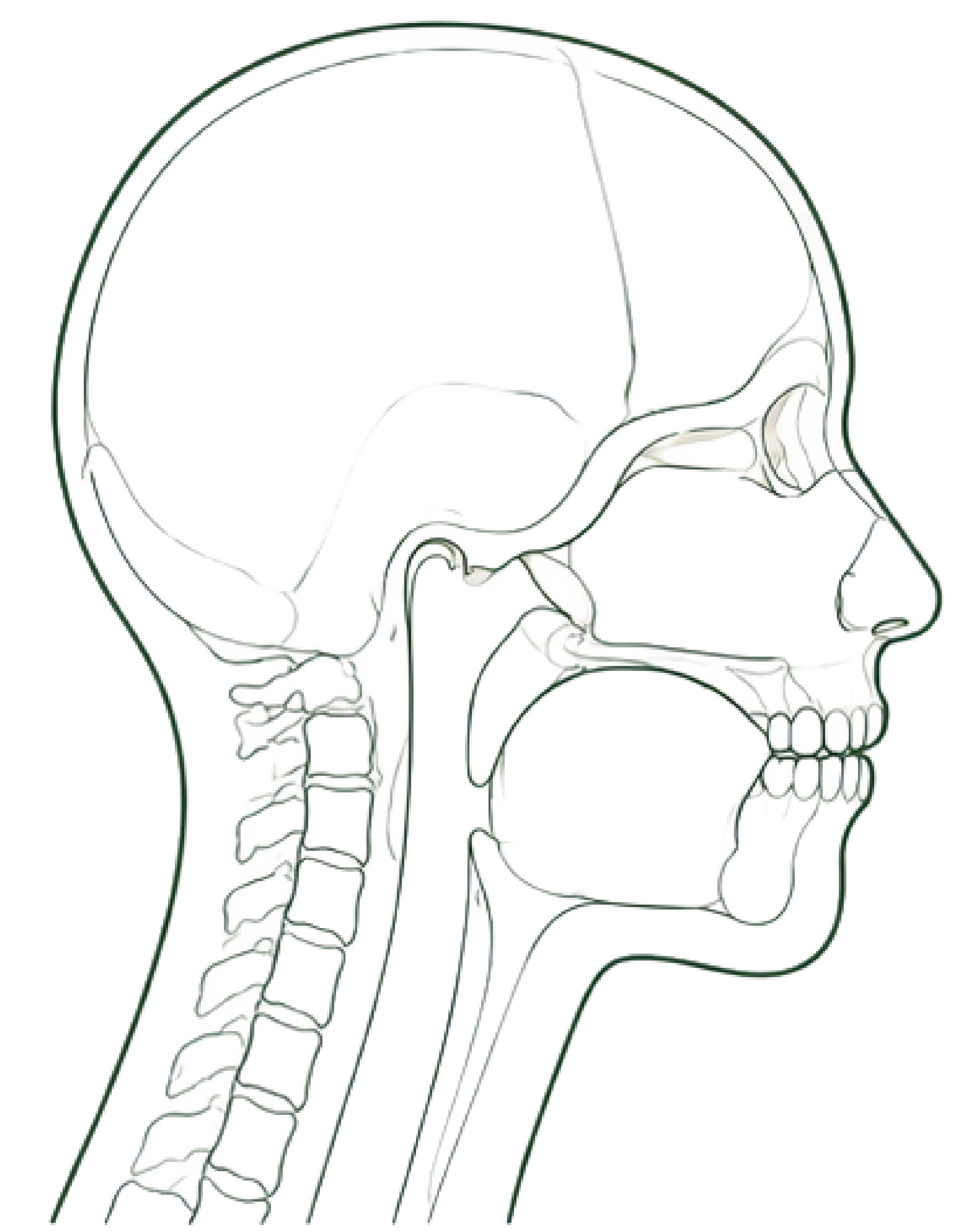
Infancy 0–2 years
It begins with breathing and feeding
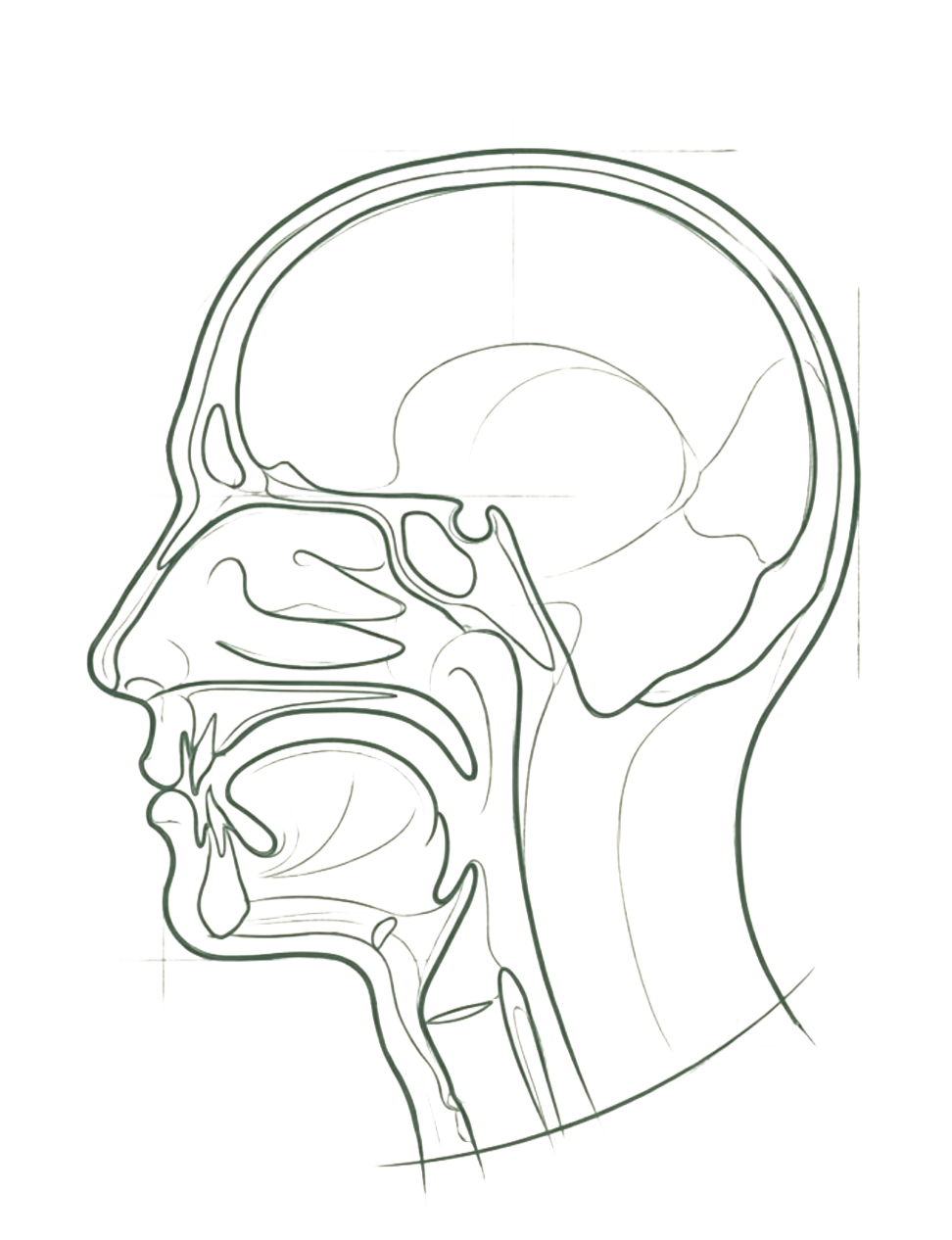
How an infant breathes, feeds and rests the tongue starts shaping the airway and the growing face, long before a single tooth is in question.

Expert care for jaw, airway and sleep health
We treat the structural and developmental causes of TMJ pain, sleep-disordered breathing, bruxism, tongue tie and crooked teeth.
Our principle
Root-cause care rather than symptom management.
Development over time
The problems we treat rarely begin with teeth. They begin in how a person breathed, fed and grew. We read that developmental story, from infancy to adulthood, and treat its cause.
Infancy 0–2 years
How an infant breathes, feeds and rests the tongue starts shaping the airway and the growing face, long before a single tooth is in question.

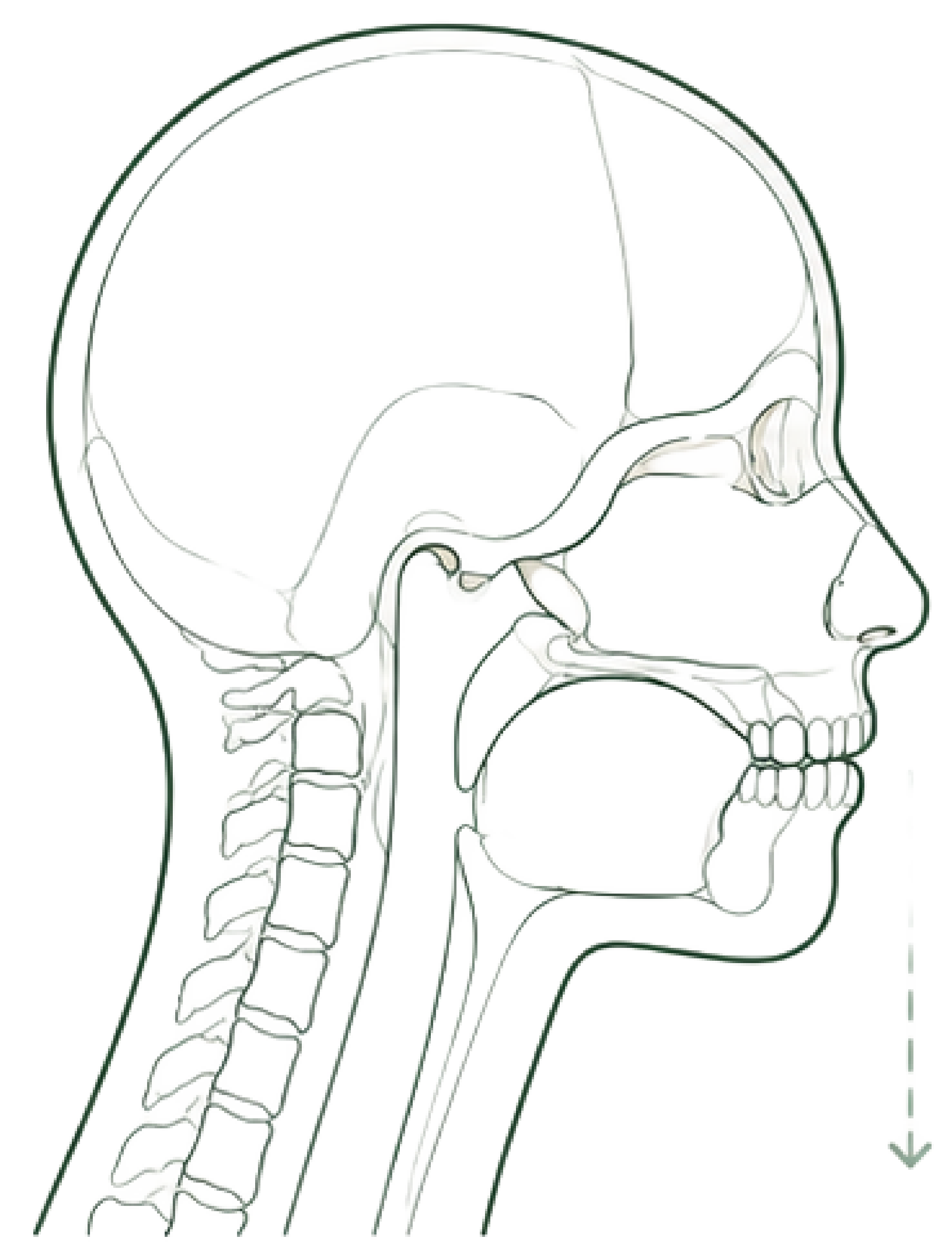
Early childhood 3–11 years
The jaws and airway develop fastest now. Mouth breathing, tongue tie and narrow arches set patterns that, caught early, can still be redirected.

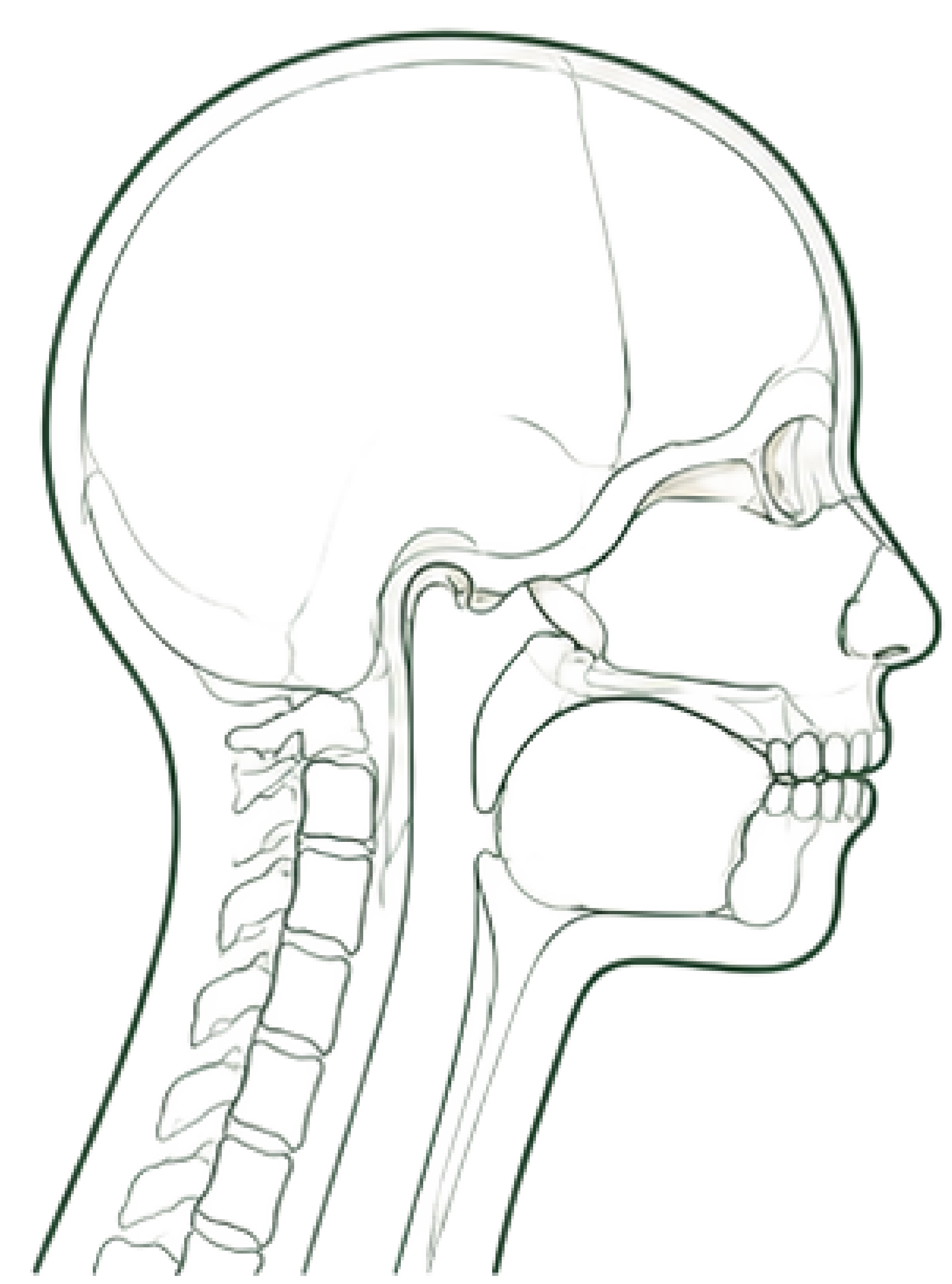
Adolescence 12–17 years
As growth completes, habit and restriction harden into facial structure: crowded teeth, a set jaw position, a narrowed airway.

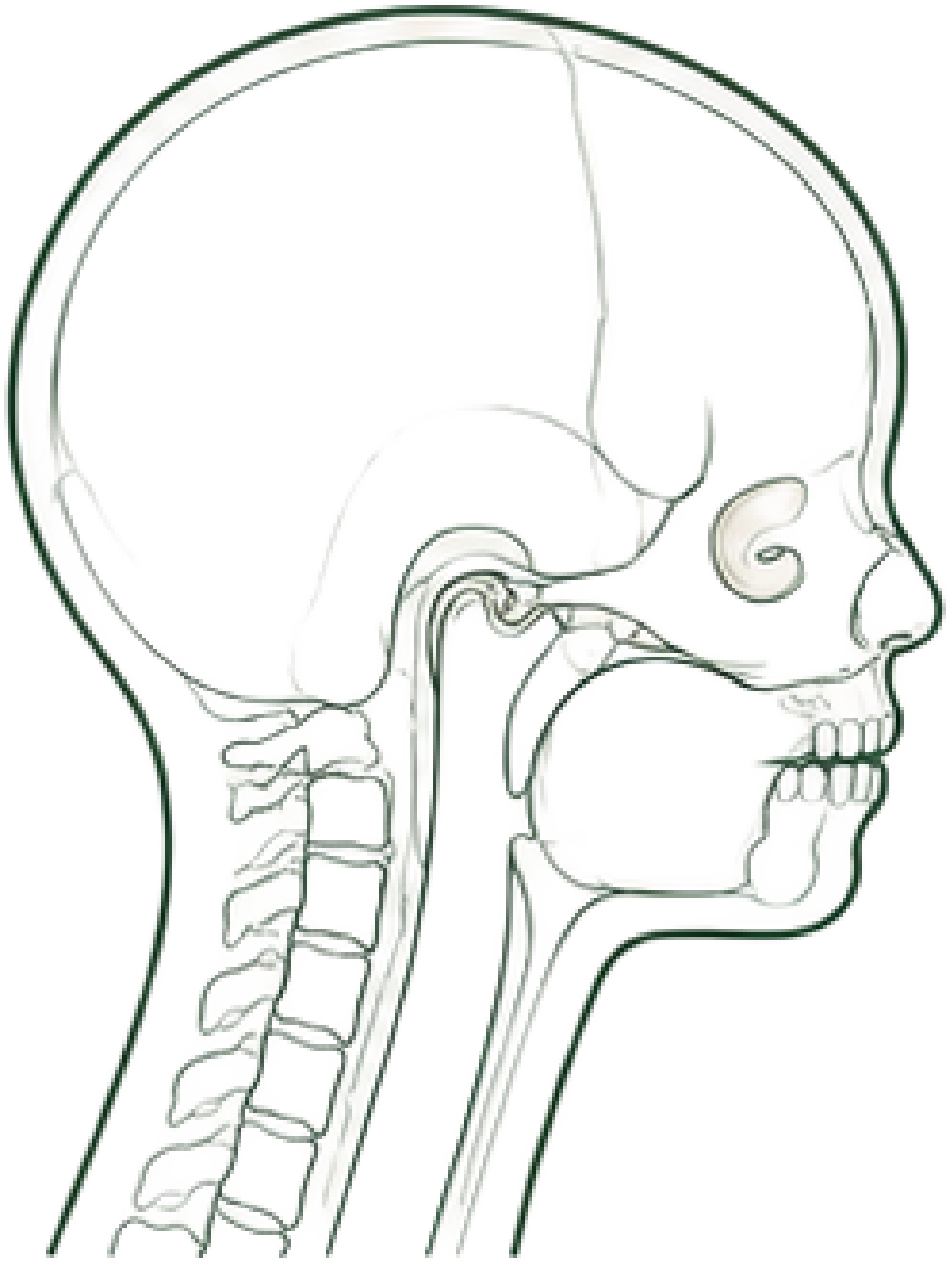
Adulthood 18+ years
TMJ pain, bruxism and disrupted sleep are the accumulated record of that development. We trace it back and treat the cause, at any age.

Developmental
Structural
Airway-Centred
Root-Cause
At Growth and Airway, we take a fundamentally different view of dental and craniofacial health. Conventional care tends to treat problems as they present: jaw pain managed with a night splint, crooked teeth corrected with braces, sleep apnoea managed with a CPAP machine. We ask what created those problems in the first place.
In the majority of cases, the answer lies in the development of the jaws, the airway, and the soft tissues that govern how we breathe, swallow, and rest. TMJ pain, bruxism and teeth grinding, mouth breathing, tongue tie, and sleep-disordered breathing are not separate and unrelated problems. They share common structural roots. When those roots are properly addressed, meaningful and lasting change becomes possible.
We work across the full lifespan. For children, we intervene early, guiding craniofacial growth while the face and jaws are still developing and preventing orthodontic and airway problems from becoming entrenched. For adults, we identify and treat the underlying structural causes of TMJ disorder, sleep apnoea, bruxism, and related conditions rather than simply managing symptoms over time.
Eight connected concerns, one structural lens
Early Intervention and Children's Airway Health
We work with early-stage dentition onwards, guiding jaw development, expanding narrow dental arches, and treating tongue tie, lip tie and mouth breathing before they become lifelong patterns.
The earlier we act, the less intervention is needed. Children seen at Growth and Airway include those with mouth breathing, tongue tie, paediatric sleep disorders, crooked teeth and poor craniofacial development.
Children's care →Adult TMJ, Sleep Apnoea and Airway Treatment
TMJ pain, sleep apnoea, teeth grinding and clenching, and chronic headaches are not conditions you should simply adapt to. We identify the airway and structural factors driving them and offer non-surgical, evidence-based treatment.
Adult conditions treated at Growth and Airway include TMJ disorder, bruxism and teeth grinding, obstructive sleep apnoea, snoring, poor posture and airway-related headaches and facial pain.
Adult treatment →Every patient at Growth and Airway follows a structured, unhurried pathway designed to understand the root cause of their symptoms before any treatment begins.
We begin with a thorough clinical evaluation of your airway, jaw function, facial structure and breathing patterns. For children, we assess craniofacial development and growth trajectory. Advanced diagnostics give us a complete picture before we draw any conclusions about the cause of your symptoms.
We identify the structural and functional factors driving your condition. Whether you are presenting with TMJ pain, bruxism, sleep apnoea, mouth breathing, or crooked teeth, we trace the problem to its origin so that treatment is directed at the cause rather than the effect.
Every plan is individual. We may use airway appliances, myofunctional therapy, airway-focused orthodontics, tongue tie assessment and release, or coordinated referrals to ENT surgeons and sleep specialists. Every recommendation comes with a clear rationale and a clearly stated goal.
We work alongside you throughout your care. Regular reviews and adjustments, combined with a collaborative relationship with specialist colleagues, mean that treatment evolves as you do. Results are built to last rather than to require indefinite management.
“The structure of the face is the story of how someone breathes.”
Growth and Airway Institute
Conventional dentistry often treats teeth in isolation. We see teeth as the most visible sign of a much broader developmental story, one that involves the jaws, the airway, the tongue, the posture, and the relationship between structure and function across the entire body.
Our practice brings together the disciplines needed to understand that story accurately and act on it with precision. We are committed to non-surgical, biologically respectful approaches that work with the body's own capacity for change. For patients with TMJ pain, sleep apnoea, bruxism, or chronic mouth breathing, this means real resolution rather than permanent symptom control.
Pillar 1
Every decision we make considers how it serves breathing quality, sleep and long-term craniofacial function for both children and adults.
Pillar 2
We collaborate as a matter of course with ENT surgeons, myofunctional therapists, osteopaths, sleep physicians and paediatricians.
Pillar 3
Our clinical protocols are drawn from peer-reviewed research in craniofacial development, sleep medicine, TMJ disorder and functional orthodontics.
The questions below reflect what patients ask most often when they first come to us. If yours is not here, we will be glad to answer it at your consultation.
Mouth breathing in children is often a sign of nasal obstruction, tongue tie, a narrow palate, or enlarged tonsils and adenoids. Left unaddressed, it alters facial development, disrupts sleep quality and contributes to behavioural and attention difficulties. Early assessment allows us to identify the cause and intervene while growth is still on our side.
Crowded or crooked teeth are almost always a symptom of insufficient arch space, which reflects jaws that have not developed to their full potential. Narrow jaws are commonly associated with mouth breathing, tongue tie and a reduced airway. Expanding the arch and guiding jaw development corrects the environment in which teeth sit rather than simply repositioning teeth within a restricted and underdeveloped space.
TMJ pain, jaw clicking and facial tension are most commonly caused by a combination of jaw structure imbalance, airway restriction, and teeth clenching or grinding during sleep. The temporomandibular joint works under significant strain when the airway is compromised or the jaw is poorly positioned at rest. We assess all contributing factors before recommending treatment rather than applying a generic approach to every patient.
For many patients, sleep apnoea has a structural basis that can be addressed through airway orthodontics, oral appliance therapy, myofunctional therapy and in some cases tongue tie release. CPAP is effective but does not resolve the underlying problem. We work with sleep physicians to assess whether a structural approach is realistic and appropriate for each individual patient.
Stress is often cited as the primary cause of teeth grinding, but research increasingly shows that bruxism is closely linked to airway obstruction during sleep. When breathing is restricted, the jaw moves forward and the teeth clench as a protective reflex to keep the airway open. Treating the underlying airway issue rather than simply fitting a night guard often reduces or resolves bruxism substantially.
Tongue tie is a restriction of the lingual frenulum that limits tongue movement and resting posture. In children, it affects feeding, speech, jaw growth and breathing. In adults, it contributes to TMJ pain, poor posture, sleep apnoea and restricted nasal breathing. Assessment of tongue tie is part of our comprehensive evaluation for patients of all ages, and the connection to adult symptoms is frequently overlooked in conventional dental and medical assessment.
“After years of jaw pain and disrupted sleep, we found a practice that asked why those problems existed rather than simply what to do about them. Within months, things had changed in ways I genuinely had not expected to be possible.”
Patient, adult TMJ pain and sleep apnoea treatment
Book a consultation and we will take the time to listen carefully, assess thoroughly, and explain your options clearly. There is no obligation and no rushed decision-making.